How to Dress for Your Body Type (And the Common Mistakes I See All the Time)
Dressing for your body isn’t about rules or trying to look smaller. It’s about understanding proportion, where clothes hit your body, how the eye moves, and how to create balance so you feel confident and put together.
Most women don’t struggle because they have the “wrong” body. They struggle because their clothes aren’t working hard enough.
I’m sharing the foundations I go through with clients, plus some of the most common mistakes I see and how to fix them. This is practical, simple, and something you can start using straight away.
The first step: Understand Your Body Type
This isn’t about labelling yourself, it’s just a way to gain some clarity and start dressing with intention.
Stand in front of a mirror and ask yourself:
Are my shoulders and hips roughly the same width?
Is my waist defined or straighter?
Where do I naturally carry weight?
Are my legs longer or shorter than my torso?
Most women fit into one of these categories, or a blend of two, so don’t stress if you don’t fit neatly into just one shape.
I’ll be using celebrities as visual examples for each body type. They have stylists and tailoring on hand, so it’s a great way to see how proportions can be balanced and flattering in real life.
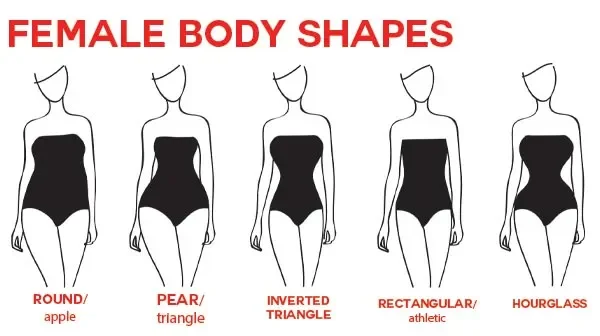
Hourglass
Balanced shoulders and hips with a defined waist.
The key to dressing this body shape is to follow its natural silhouette by proportionally dressing the top and bottom of the body while accentuating the waist.
You need to ensure that you don't unbalance the body frame by making it either top or bottom heavy.
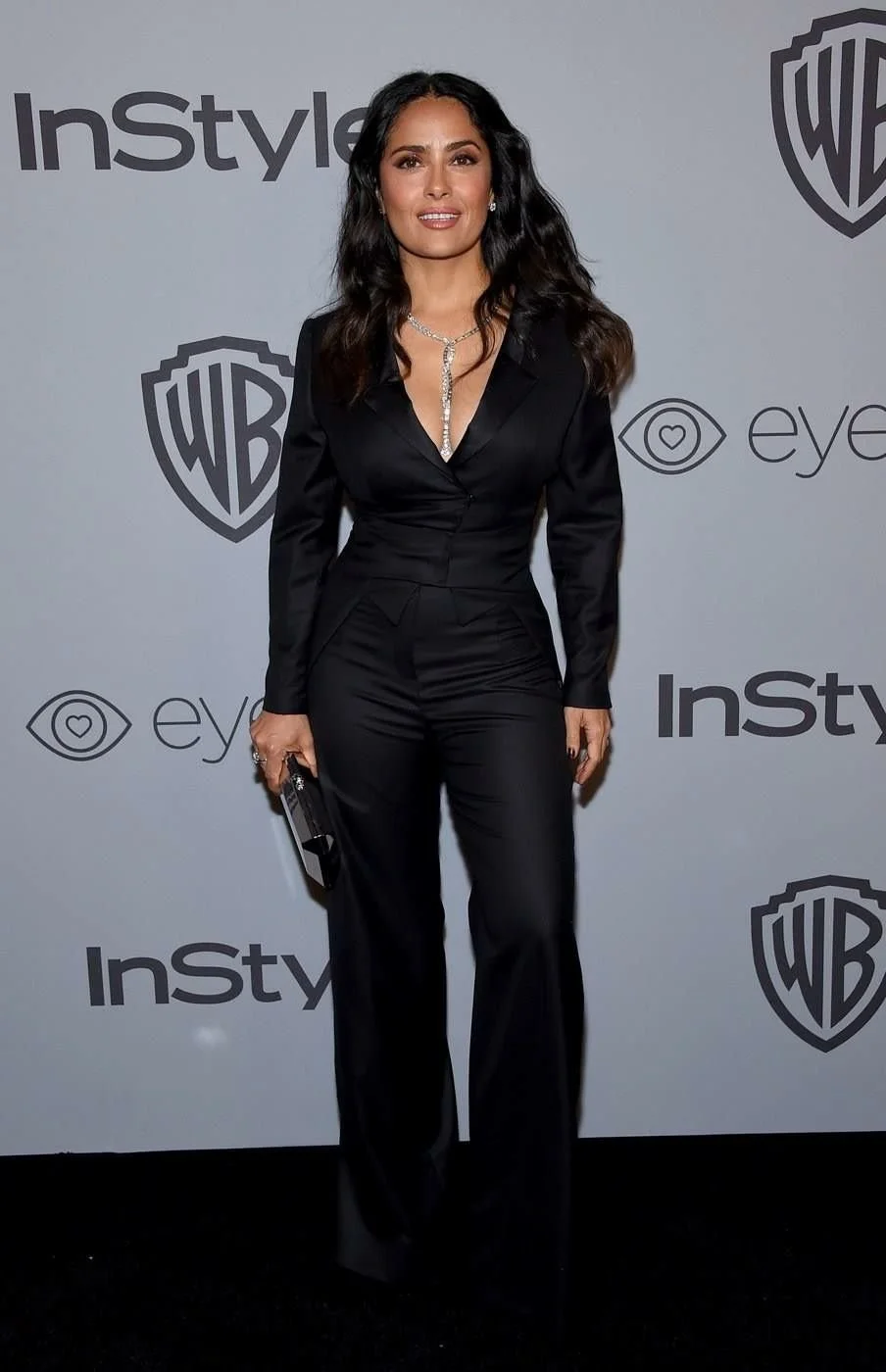
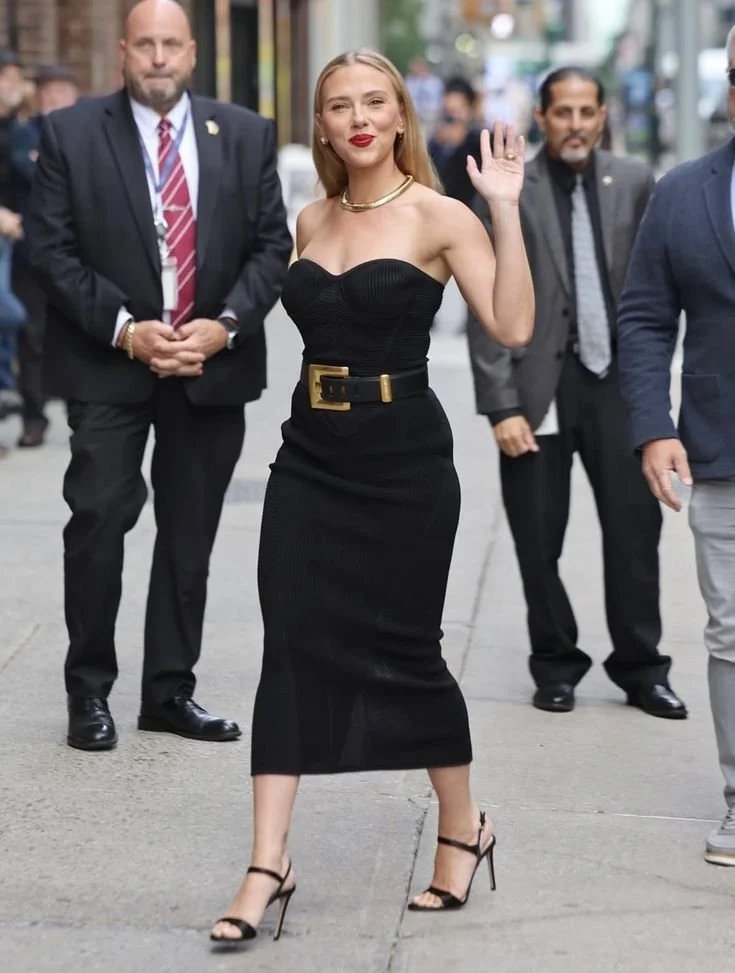
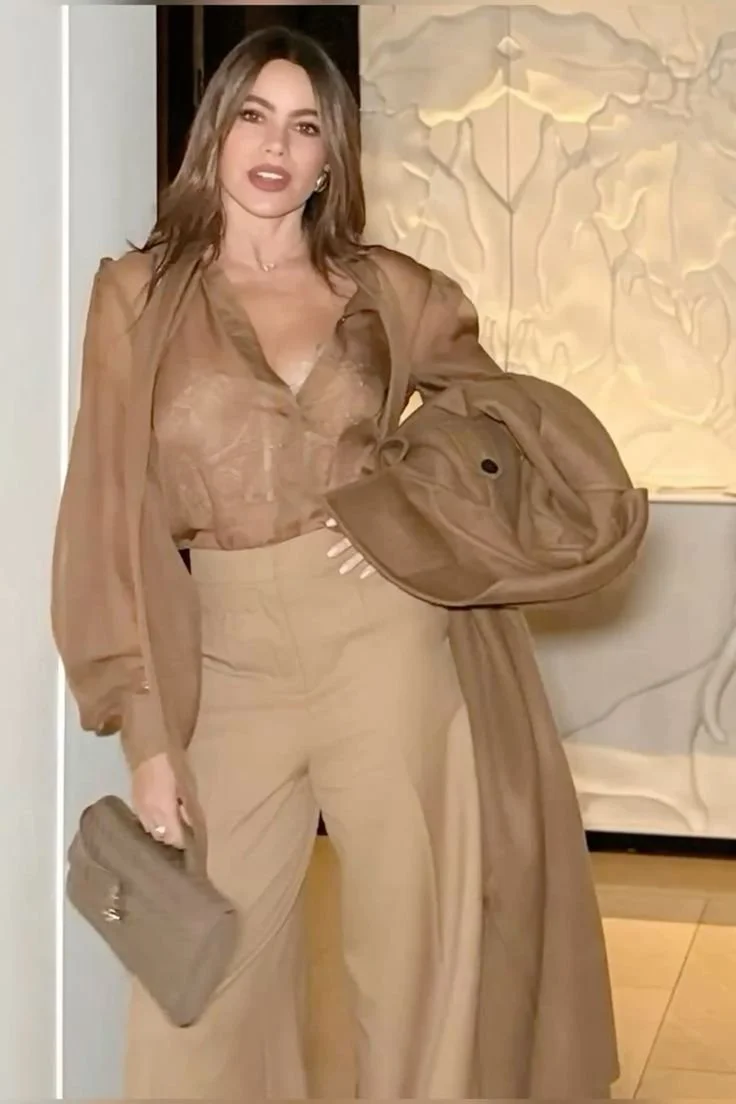
What tends to work well: ✅
Wrap dresses and belted silhouettes that highlight the waist
Tailoring that follows the body without clinging
Open necklines that frame the chest and create balance
Simple outfits done well and investing in a really good bra makes more difference than people realise
Common mistakes I see: ❌
Drowning your shape in oversized pieces with no structure
Straight cuts and boxy styles that hide the waist
Shapeless or overly loose clothing that removes your natural balance
Drawing unnecessary attention to both hips and shoulders at the same time, which can overwhelm your silhouette
Pear Shape
Hips wider than shoulders.
The pear body shape is heavier on the bottom which creates an imbalance with the upper half of the body. The key to dressing this body shape is to take attention away from the wider hips and to draw it towards the upper body and defined waist instead.
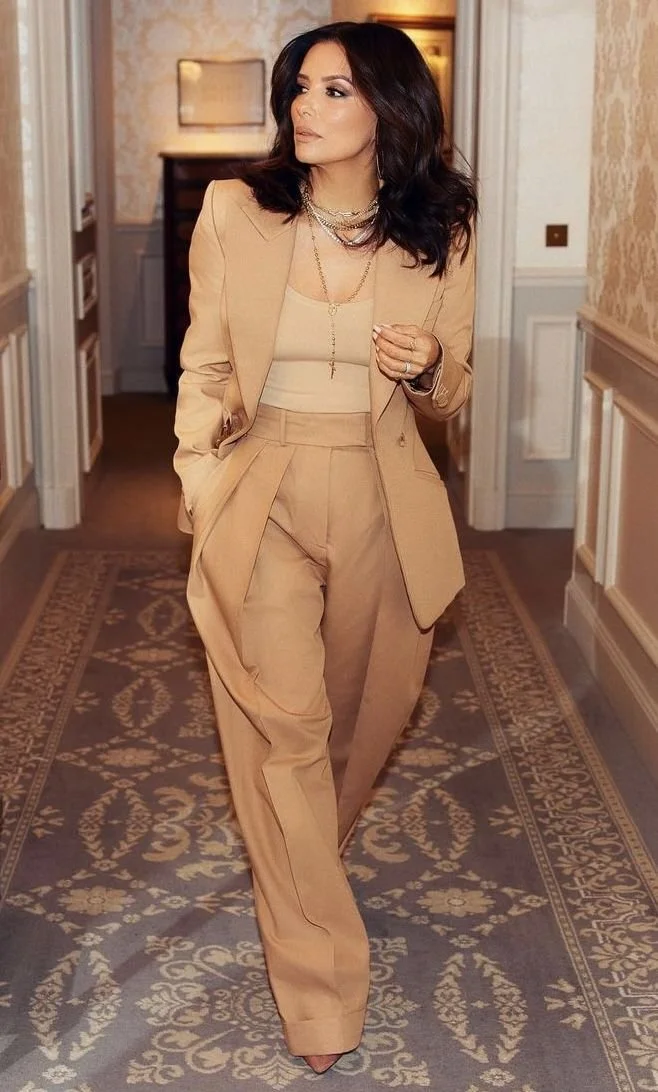
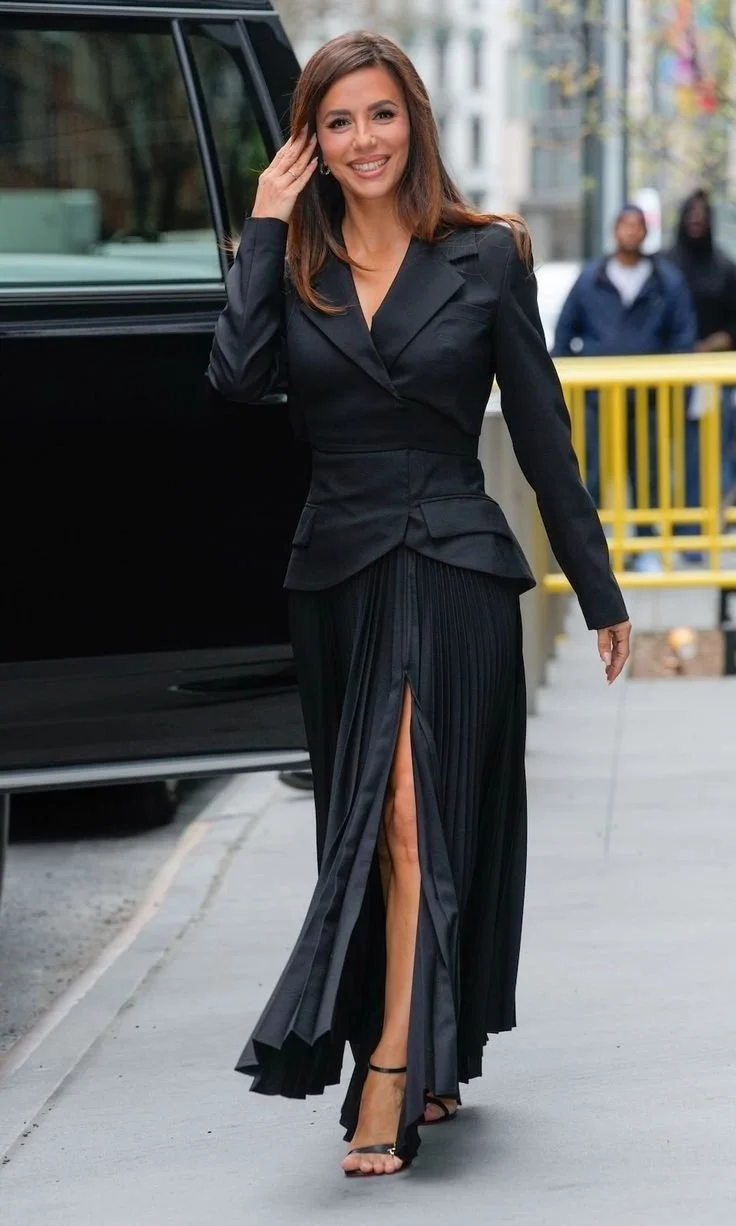
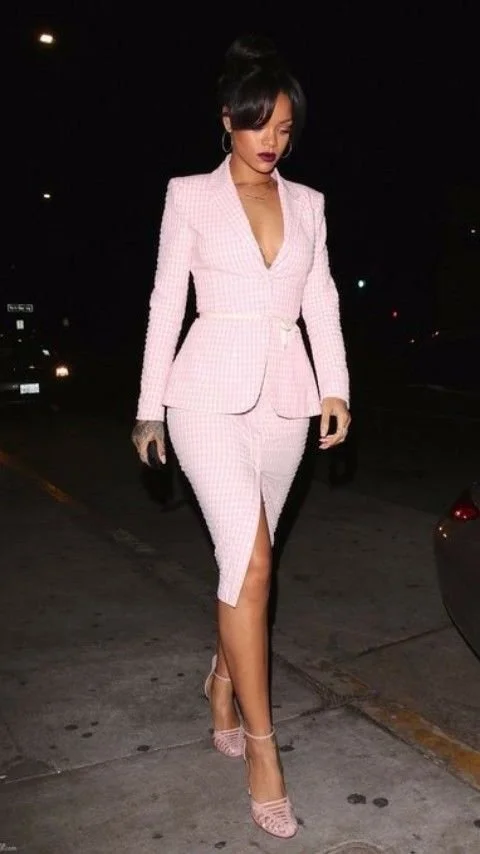
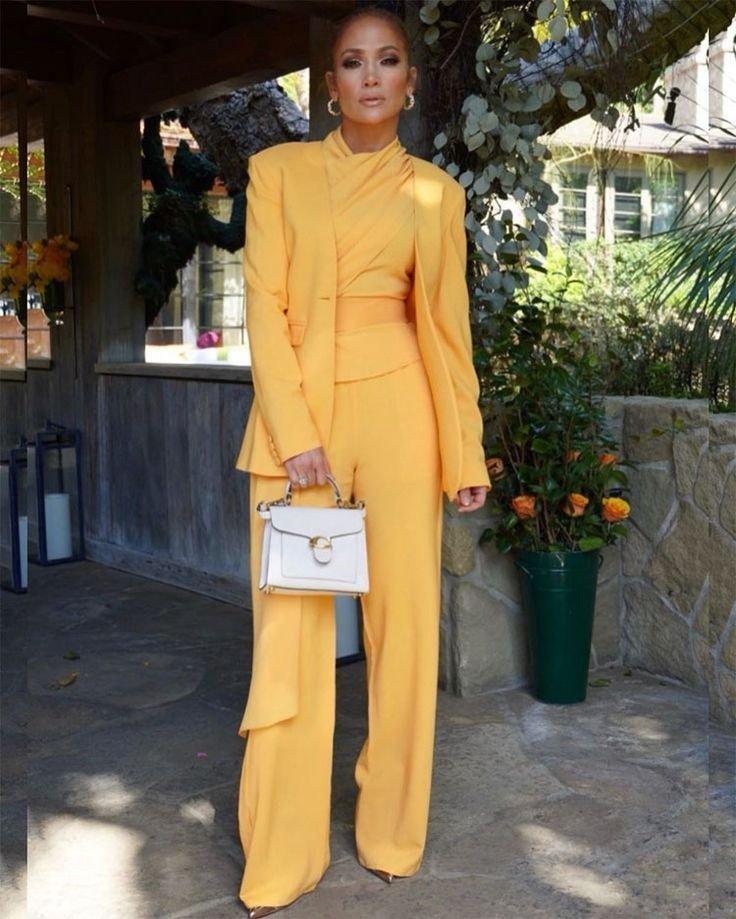
What tends to work well: ✅
Bring attention to the top half with interesting necklines, structured shoulders, or subtle details like statement sleeves or jewellery
Keep the bottom half sleek: straight-leg trousers, slim skirts, or A-line cuts in solid or darker colours
Opt for jackets that hit strategically: either above or below your widest point; longer jackets that cover the bum work well with slim bottoms
Choose tops with shape: wrap styles, tailored blouses, or pieces with darts to define your waist
Use contrast and vertical lines: lighter or patterned tops paired with darker bottoms draw the eye upward naturally
Common mistakes: ❌
Tops ending at the widest part of the hips → cuts the body in half
Baggy or shapeless clothing → overwhelms natural proportions
Bold patterns, ruffles, or volume on the lower half → exaggerates hips
Cropped jackets hitting mid-hip → shortens torso and draws attention downward
*** The key difference between pear and apple shapes is where the body naturally carries volume, either on the lower half or through the centre.
For pear shapes, volume tends to sit around the hips and thighs, with a more defined waist and a smaller top half. Apple shapes, on the other hand, carry volume through the midsection and bust, often with slimmer legs. Understanding this helps you style with balance rather than trying to change your body.***
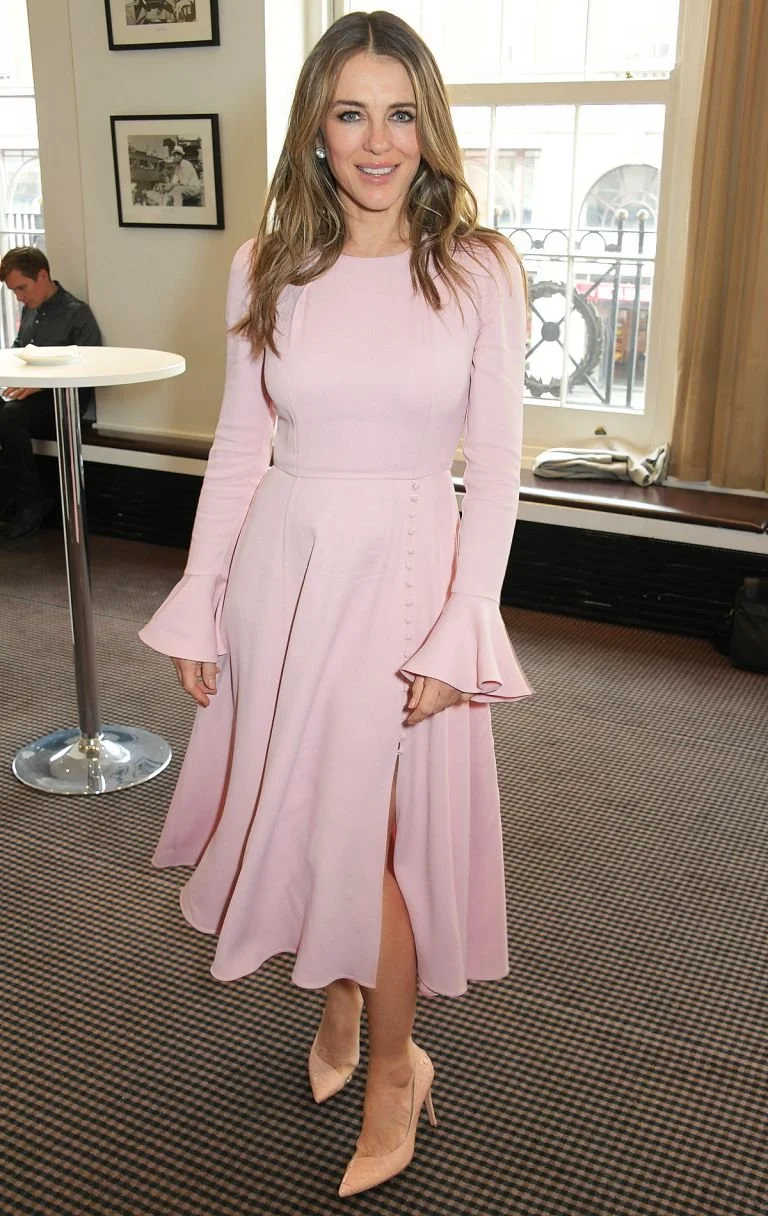
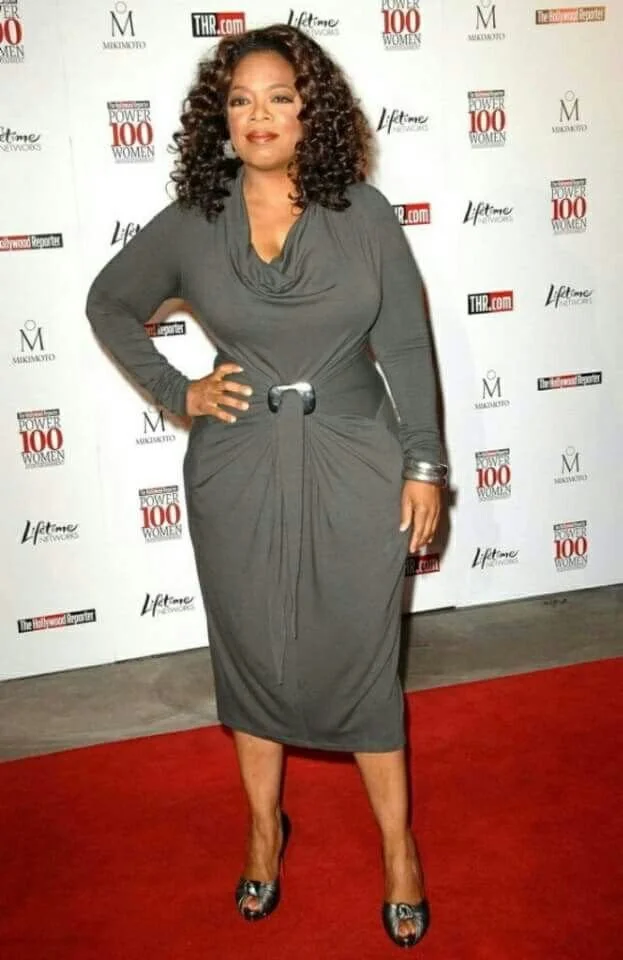
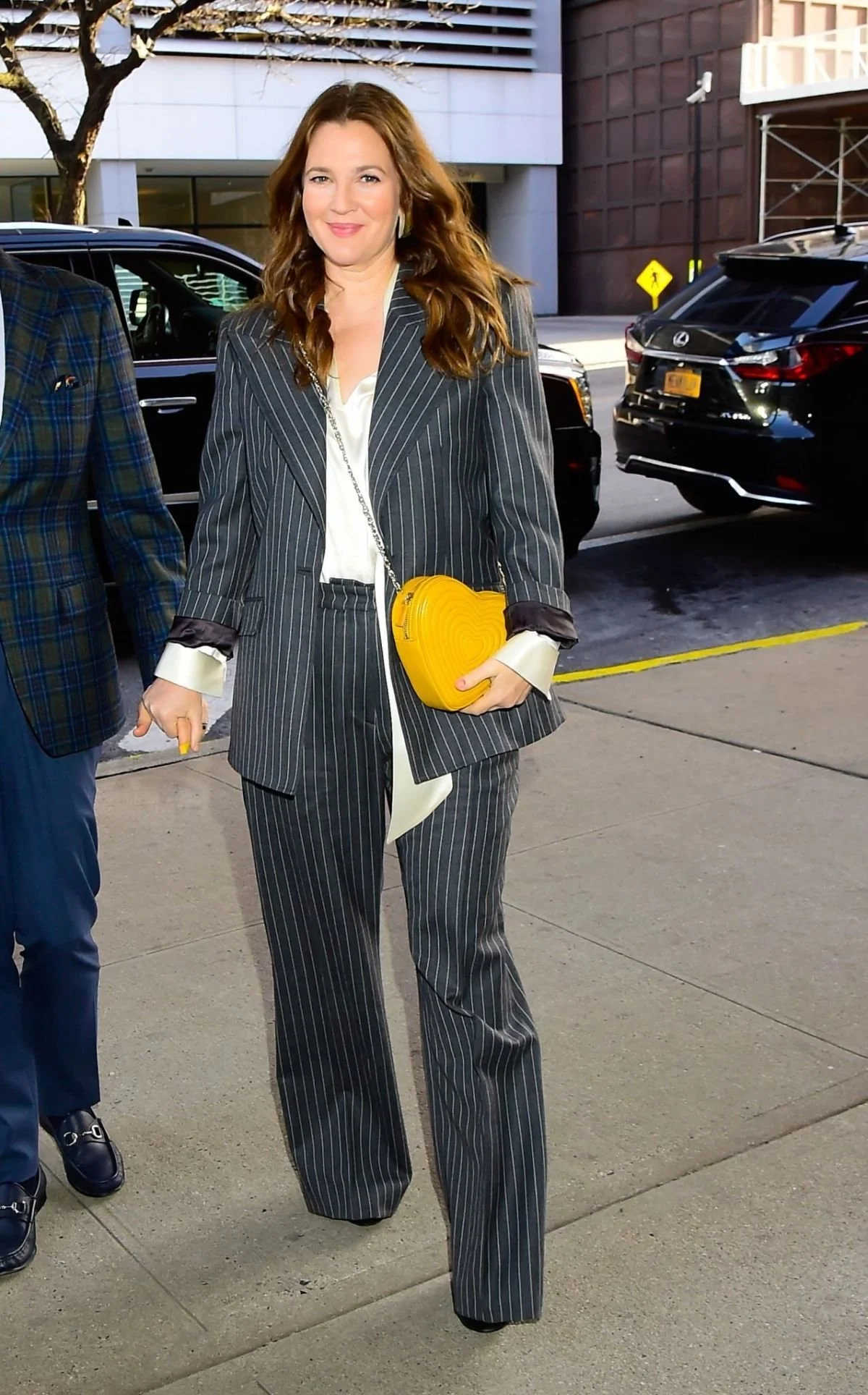
Apple Shape
Fuller through the midsection with great legs.
The apple body shape often carries more volume in the upper body, with a fuller chest and less waist definition. Focus on highlighting your best features - usually your bust or legs - to draw attention away from the midsection and create the illusion of a more defined waist.
What tends to work well: ✅
Keep clothing lines straight to slightly fitted, using soft fabrics to avoid bulk around the bust, waist, and tummy
Place details strategically: above the bustline or below the hipline; keep the midsection plain and simple
Add interest on the hemline to draw attention to your legs
Wear garments that are fitted under the bust, along the waist, and below the arms
Choose structured pieces that hold shape and create smooth lines
Use bright colours or patterns on the lower body to balance proportions
Define your waist with belts or seam details just below the bust
Opt for clothes that skim the midsection but nip under the bust to lift the chest and create a trimmer waist
Invest in a good supportive bra to enhance your shape
Incorporate splits, v-necks, or open necklines to elongate and frame your upper body
Common mistake: ❌
Adding excessive fabric around the midsection
Highlight the waist with light colours or horizontal details
Place details around the bust, midriff, or hips, keep ornamentation only in the top or bottom third of your outfit
Wear boxy, shapeless, or overly loose tops that flatten your chest or obscure your waist
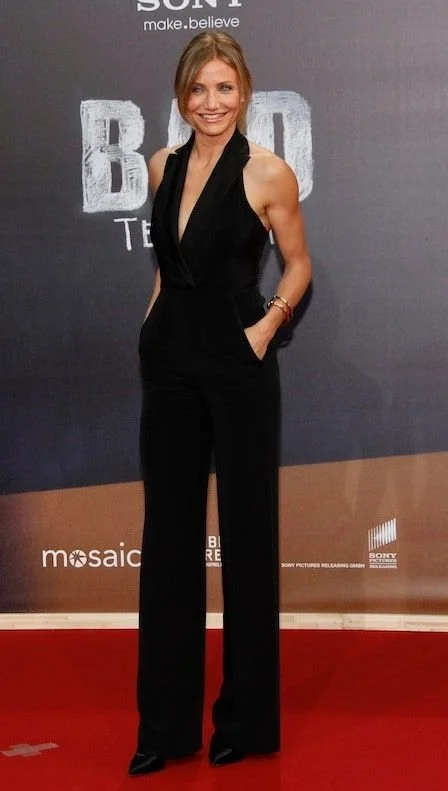
Rectangle
Shoulders, waist and hips are fairly straight.
The upper and lower parts of the rectangle body are well-proportioned and create a balanced silhouette. The focus of this body shape should be on defining the waist by breaking up the rectangle.
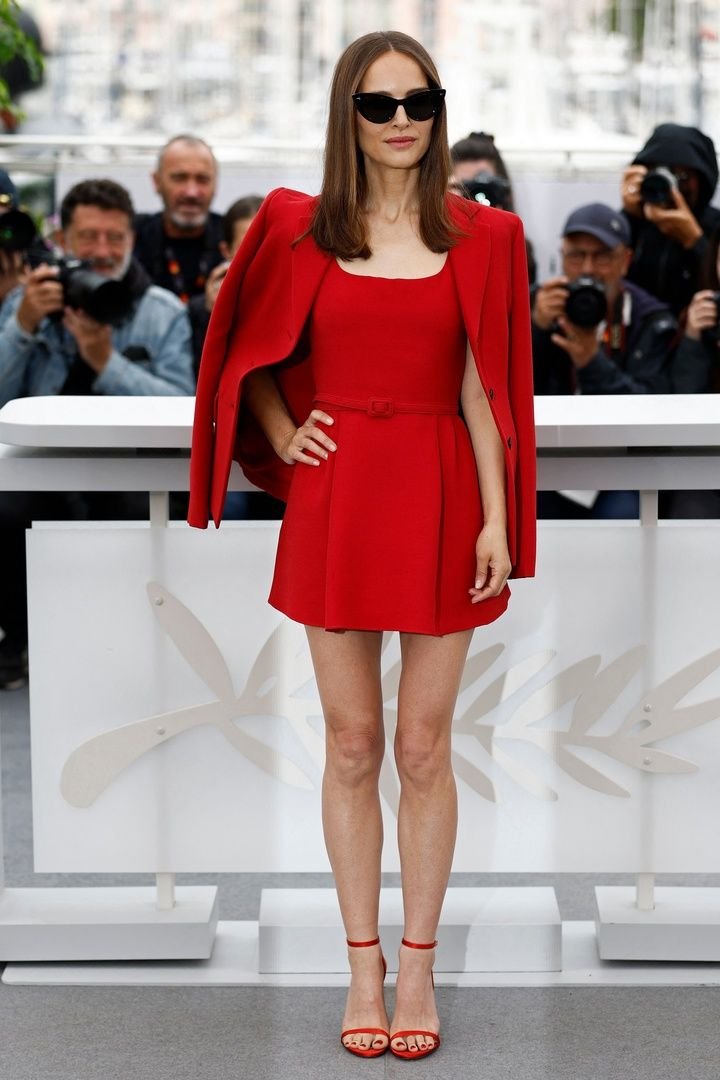
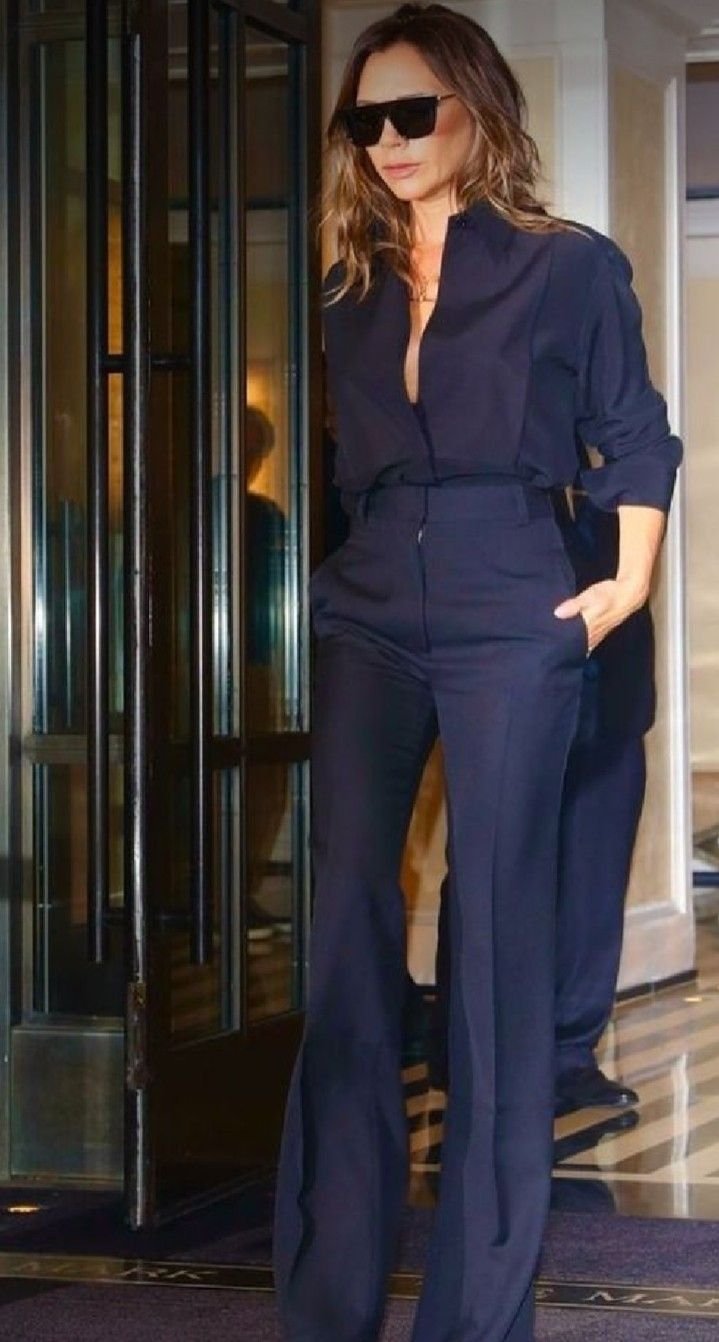
What tends to work well: ✅
Break up the straight silhouette to create curves from top to bottom
Invest in a supportive bra to lift and shape the chest
Wear structured garments that define shoulders, waist, and hips
Experiment with different cuts and shapes, wrap tops, peplums, asymmetric hems
Use prints, textures, and details strategically to add visual interest
Wear bright or patterned pieces on the upper and lower body, keep the waist area neutral
Define the waist with belts or nipped-in garments
Opt for high-waisted skirts or trousers to elongate the legs and enhance proportions
Common mistake: ❌
Wear shapeless, oversized, or boxy items that hide your natural shape
Use embellishments, light colours, or prints around the waist
Wear tops tucked into trousers or skirts that cut the waistline
Choose garments that end at the waist and draw attention there
Inverted Triangle
Broader shoulders, narrower hips.
The inverted triangle body shape is heavier on the top due to the wide shoulder line. The goal for dressing this shape is to balance the broader shoulders, chest and back with the narrower lower body to create a balanced silhouette.
This is achieved by choosing clothes that add curves to the hips and bottom while creating a more defined waist and de-emphasising the upper body.
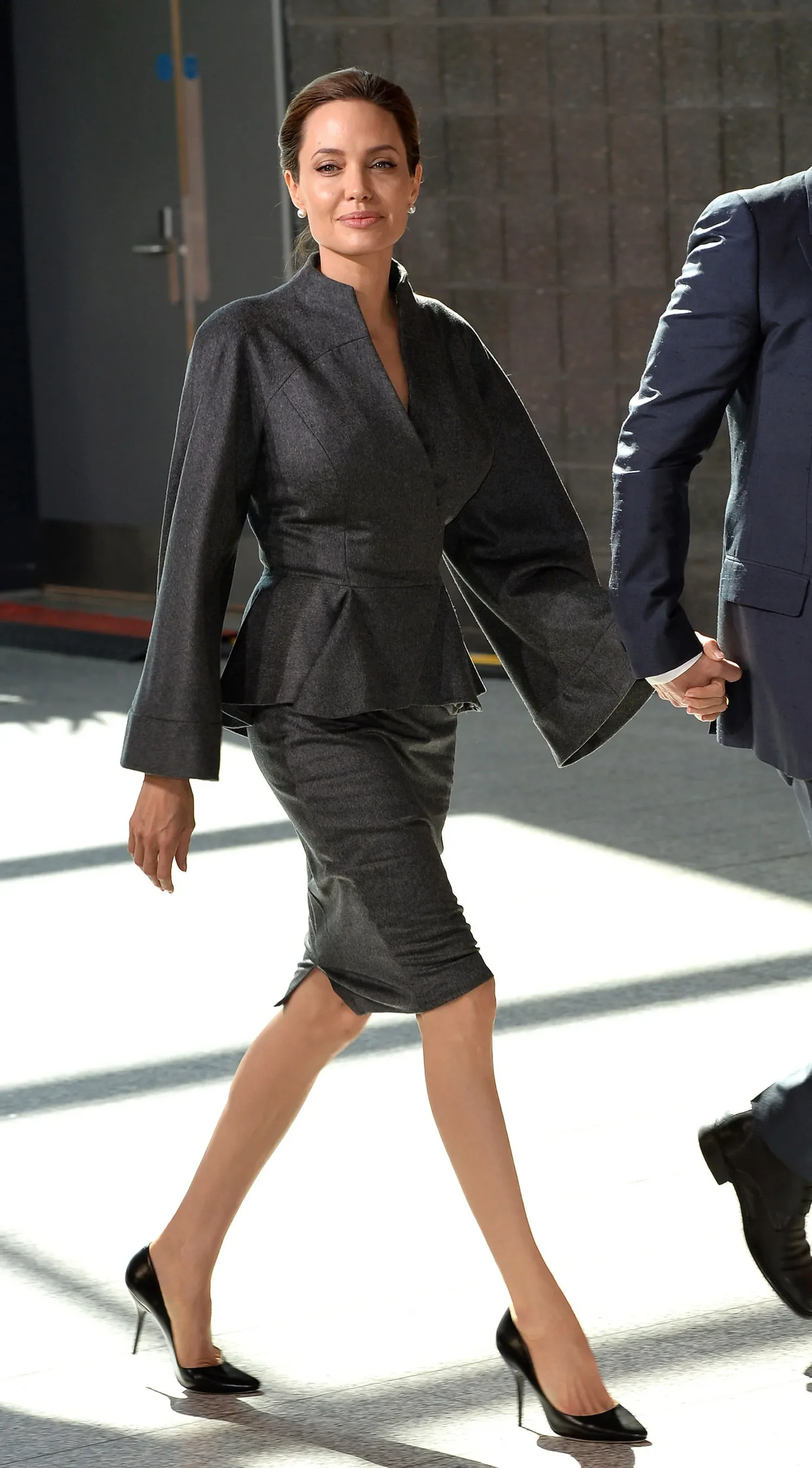
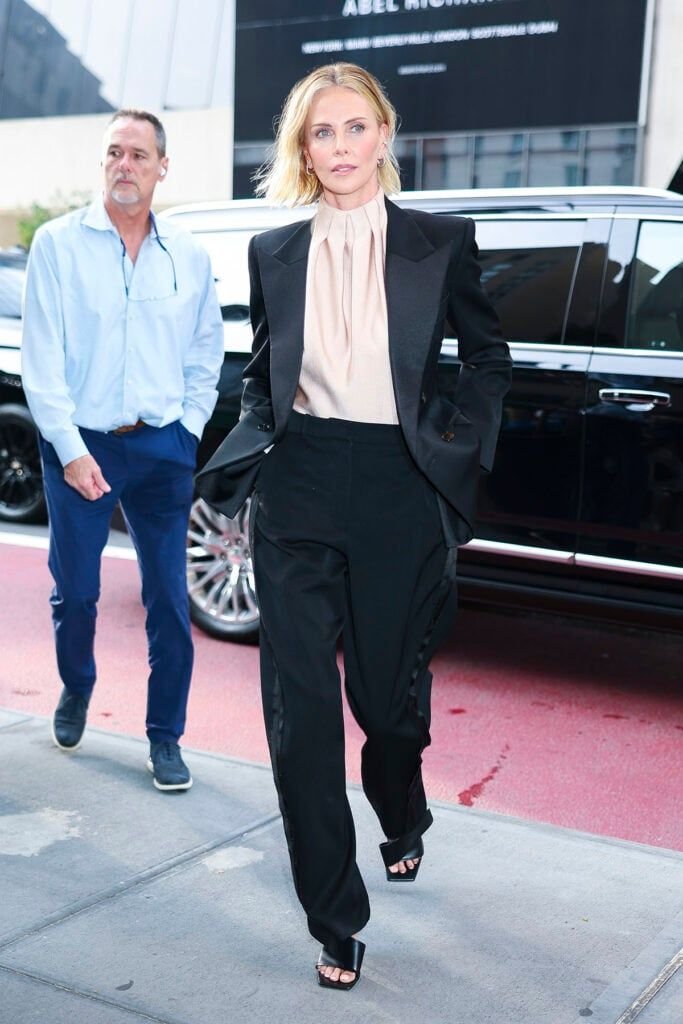
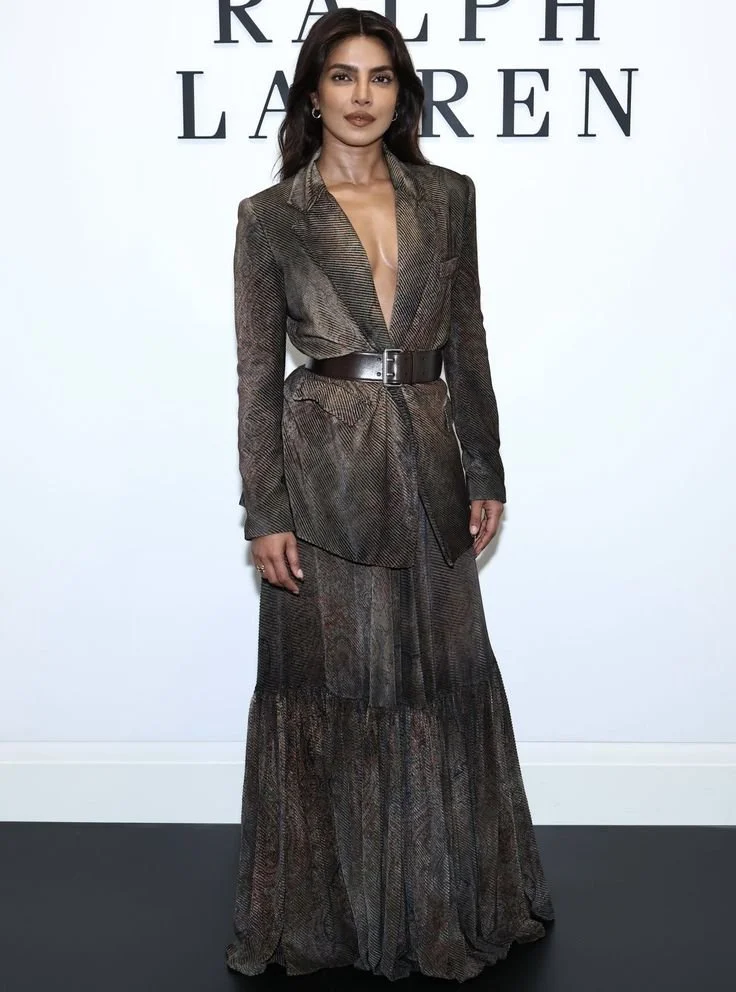
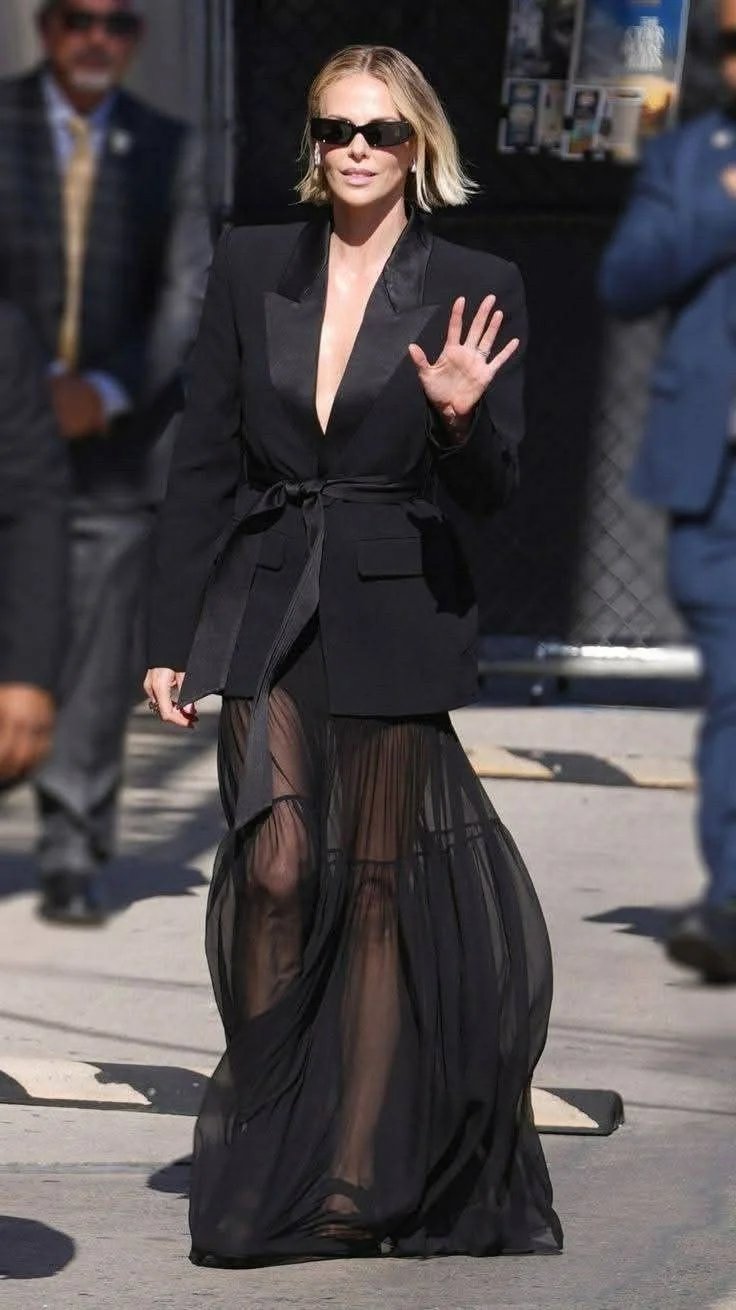
What tends to work well: ✅
Soften the shoulder line with draping, weighty, or soft fabrics
Keep the upper body clean and uncluttered, minimal details, simple tops
Use narrow or subtle necklines; avoid shoulder pads or wide necklines that broaden shoulders
Create curves and balance by adding volume to the hips and lower body
Draw attention to the legs with lighter colours, prints, or details
Define the waist with belts, nipped-in garments, or structured pieces
Choose trousers and skirts that widen the hips to create proportional balance
Common mistake: ❌
Add volume, patterns, or embellishments around the shoulders or neckline
Wear skinny, tight, or narrowing trousers/skirts that reduce the lower body
Layer bulky tops that exaggerate the shoulder width
Draw attention to the upper body with horizontal lines or bright colours
Final Thoughts
Your body isn’t the problem, your wardrobe just needs a little more intention.
A few small tweaks can completely change how your clothes look and feel, and this is just the starting point. I see these patterns with clients every day, and there’s always more we can refine.
Once you understand how your body works and what lines suit it, getting dressed stops feeling like a guessing game.
It’s not about hiding yourself or chasing every trend. it’s about making your wardrobe work for you. Little adjustments, like where a blazer hits, the right neckline, or where you place details, can make all the difference.
Before you head out, ask yourself:
Where does this outfit break my body visually?
Am I creating long, clean lines, or chopping myself up?
Does this feel balanced from top to bottom?
If something feels off, it usually is and that’s your cue to tweak.
This post is just the beginning. There’s so much more you can do to refine proportion, balance, and fit, which is exactly what I help my clients with every day.
If you’ve ever felt like something isn’t quite right with your wardrobe but couldn’t put your finger on it, this is exactly the kind of thing I help women untangle.
Sometimes, all it takes is a fresh eye.
